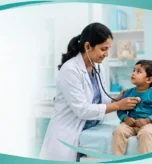

Children can fall sick suddenly, and even a common fever, cough or stomach problem can be worrying for parents. Most childhood illnesses are manageable with proper care, but knowing when a child needs medical attention is an important part of keeping them healthy.
For families in Wani and surrounding areas of Yavatmal district, having access to paediatric consultation and appropriate hospital facilities can provide reassurance when a child becomes unwell.
Saraswati Hospital provides paediatric care along with NICU and PICU facilities, supporting children and newborns who require medical evaluation, treatment or closer monitoring.
In this guide, we discuss some of the most common childhood illnesses, warning signs parents should watch for, preventive healthcare and when it is appropriate to consult a paediatrician.
Why Regular Child Healthcare Is Important
Children’s bodies are constantly growing and developing. Their nutritional requirements, immunity, physical development and healthcare needs can change significantly as they grow.
Regular paediatric care can help parents monitor:
- Physical growth
- Weight and height
- Nutrition
- Immunization
- Developmental milestones
- Recurring illnesses
- Vision and hearing concerns
- Respiratory problems
- Digestive problems
- General physical and developmental health
A paediatrician can also help parents understand whether a child’s symptoms are part of a normal childhood illness or require further evaluation.
Common Childhood Illnesses
Children commonly experience infections and minor illnesses, particularly during their early years. While many conditions improve with appropriate home care, some require medical evaluation.
Here are some of the common health problems seen in children.
1. Fever in Children
Fever is one of the most common reasons parents seek medical advice.
A fever is generally a sign that the body is responding to an infection or another underlying condition. Viral infections are a common cause, although bacterial infections and other conditions can also cause fever.
Parents should pay attention to:
- The child’s age
- Temperature and how it was measured
- How long the fever has continued
- Whether the child is drinking fluids
- Whether the child is active or unusually sleepy
- Other symptoms such as cough, vomiting, rash or breathing difficulty
When should you consult a paediatrician?
Medical evaluation is particularly important if:
- The child is very young and has a fever
- Fever is persistent or repeatedly returning
- The child appears unusually weak or drowsy
- The child is not drinking adequately
- There are breathing difficulties
- There is a seizure
- A concerning rash develops
- The child has severe pain or other worrying symptoms
Parents should avoid giving medicines to children without appropriate medical advice, particularly antibiotics.
2. Cough, Cold and Respiratory Infections
Cough, runny nose, sore throat and nasal congestion are common among children.
Many childhood respiratory infections are caused by viruses and improve with supportive care. However, children can occasionally develop complications or more serious respiratory infections.
Watch for symptoms such as:
- Persistent or worsening cough
- Fast or difficult breathing
- Wheezing
- Chest discomfort
- High or persistent fever
- Poor feeding
- Unusual tiredness
- Bluish or grey colour around the lips or skin
When should a child see a doctor?
If your child is having difficulty breathing, is unable to feed properly, becomes unusually sleepy or appears seriously unwell, seek medical attention promptly.
For infants and young children, parents should have a lower threshold for seeking medical advice because they can deteriorate more quickly than older children.
3. Diarrhoea and Vomiting
Stomach infections are another common cause of illness in children.
Vomiting and diarrhoea can cause dehydration, which is one of the main concerns when children lose fluids.
Signs of dehydration can include:
- Dry mouth
- Reduced urination
- No tears while crying
- Excessive thirst
- Weakness or unusual sleepiness
- Sunken eyes
- In infants, fewer wet diapers than usual
What can parents do?
Depending on the child’s condition, oral rehydration solution may be recommended to replace lost fluids and electrolytes.
Parents should follow medical advice regarding feeding, fluids and medications.
Seek medical care when:
- The child cannot keep fluids down
- There is blood in the stool or vomit
- The child becomes very weak or sleepy
- Urination decreases significantly
- Vomiting is persistent
- There are signs of significant dehydration
- The child is very young or has another medical condition
4. Ear Infections
Ear infections can occur in children and may cause:
- Ear pain
- Fever
- Irritability
- Difficulty sleeping
- Reduced hearing
- Fluid or discharge from the ear
- Pulling or touching the ear in younger children
Young children may not be able to explain that their ear hurts, so irritability, crying and disturbed sleep can sometimes be clues.
A paediatrician can examine the ear and determine whether treatment is necessary.
Parents should avoid putting oil, drops or other substances into a child’s ear unless specifically advised by a healthcare professional.
5. Sore Throat and Tonsil Problems
Sore throat can occur with viral infections and, in some cases, bacterial infections.
Children may complain of:
- Throat pain
- Difficulty swallowing
- Fever
- Swollen glands
- Reduced appetite
- Bad breath
Not every sore throat requires antibiotics. A doctor can assess the symptoms and determine whether further testing or treatment is appropriate.
6. Skin Rashes and Allergies
Children may develop rashes due to infections, allergies, insect bites, heat, skin irritation or other causes.
A rash should be evaluated particularly when it is accompanied by:
- High fever
- Difficulty breathing
- Swelling of the face or lips
- Severe itching
- Blistering
- Significant pain
- Unusual sleepiness
- Rapid spreading
Breathing difficulty or swelling of the face, lips or tongue can be a medical emergency and requires immediate attention.
7. Childhood Asthma and Wheezing
Some children experience recurrent wheezing, coughing or breathing difficulty.
Symptoms may become more noticeable:
- During respiratory infections
- At night
- During exercise
- Around smoke or other triggers
- During seasonal changes
Children with recurring breathing symptoms should be evaluated by a paediatrician.
If a child is struggling to breathe, cannot speak or feed normally because of breathlessness, or develops a bluish colour around the lips, seek emergency medical care immediately.
8. Constipation and Abdominal Pain
Constipation is common among children and can cause:
- Hard stools
- Painful bowel movements
- Abdominal discomfort
- Reduced appetite
- Avoidance of using the toilet
Occasional abdominal pain can have many causes, ranging from minor digestive problems to conditions requiring urgent treatment.
Seek medical attention when abdominal pain is:
- Severe
- Sudden
- Persistent
- Associated with repeated vomiting
- Associated with blood in stool
- Associated with significant abdominal swelling
- Accompanied by fever or marked weakness
Parents should not assume that severe abdominal pain is simply indigestion.
9. Worm Infections and Nutritional Concerns
Children can sometimes develop intestinal worm infections, particularly where sanitation and hygiene are challenging.
Possible symptoms can include:
- Abdominal discomfort
- Changes in appetite
- Weakness
- Nutritional deficiencies
- Poor weight gain
However, these symptoms can have many different causes. A paediatrician can assess the child and recommend appropriate investigation or treatment.
Regular handwashing, safe drinking water, proper food hygiene and good sanitation are important preventive measures.
10. Nutritional Problems and Poor Weight Gain
Good nutrition is essential for a child’s physical and cognitive development.
Parents should discuss a child’s growth with a paediatrician if they notice:
- Poor weight gain
- Significant weight loss
- Poor appetite for a prolonged period
- Persistent diarrhoea
- Frequent illness
- Feeding difficulties
- Delayed growth or development
A doctor can assess the child’s growth pattern and nutritional needs rather than relying on weight alone.
When Should You Take Your Child to a Paediatrician?
Parents do not need to wait for a child to become seriously ill before seeking medical advice.
A paediatric consultation can be useful when a child has:
- Recurrent fever
- Persistent cough or cold
- Repeated vomiting or diarrhoea
- Poor appetite
- Poor weight gain
- Persistent abdominal pain
- Recurring ear infections
- Skin problems
- Breathing difficulties
- Sleep problems
- Developmental concerns
- Behavioural changes
- Feeding difficulties
- Any symptom that concerns the parents
If you feel that your child’s behaviour or health is significantly different from normal, it is reasonable to seek professional medical advice.
Emergency Warning Signs in Children
Some symptoms require urgent medical attention rather than waiting for a routine paediatric appointment.
Seek emergency care if your child has:
Difficulty Breathing
Fast, laboured or severely difficult breathing can indicate a serious condition.
Unresponsiveness or Extreme Drowsiness
A child who cannot be awakened normally or is unusually unresponsive needs urgent evaluation.
Seizure
A first seizure or prolonged seizure requires emergency medical attention.
Severe Dehydration
Very little urine, severe weakness, inability to drink or significant drowsiness can indicate dehydration.
Severe Bleeding
Uncontrolled bleeding requires immediate medical attention.
Serious Injury
Head injuries, major falls, accidents or significant trauma should be medically evaluated.
Bluish or Grey Skin/Lips
This can indicate inadequate oxygen and requires emergency attention.
Severe Allergic Reaction
Sudden swelling of the lips or tongue, breathing difficulty or collapse can be signs of a severe allergic reaction.
In an emergency, do not delay medical care while attempting home treatment.
Newborn and Infant Care
Newborn babies require special attention because they can become unwell quickly and may not show obvious symptoms.
Parents should seek medical advice if a newborn or young infant develops:
- Fever
- Poor feeding
- Difficulty breathing
- Persistent vomiting
- Unusual sleepiness
- Reduced activity
- Convulsions
- Yellowing that appears severe or is worsening
- Reduced urination
- Any significant change from the baby’s usual behaviour
Saraswati Hospital provides NICU support for newborns requiring specialized monitoring and treatment.
Pediatric Intensive Care When Children Need Closer Monitoring
Some children may require more intensive medical supervision because of serious illness, injury or complications.
A Pediatric Intensive Care Unit (PICU) provides an environment for children who require close monitoring and advanced supportive care.
PICU care may be considered for children with serious medical conditions, severe infections, significant respiratory problems, major injuries or other conditions requiring intensive monitoring.
Saraswati Hospital provides PICU facilities as part of its pediatric and critical-care services.
Importance of Vaccination
Vaccination is one of the most effective ways to protect children from several serious infectious diseases.
Parents should follow the immunization schedule recommended by their child’s healthcare professional and applicable national guidelines.
Keep a record of your child’s vaccinations and discuss any missed or delayed vaccines with your paediatrician.
Do not restart or change a vaccination schedule without professional advice.
Healthy Habits for Children
Parents can help support their child’s health by encouraging simple everyday habits.
Balanced Nutrition
Offer age-appropriate, varied and nutritious foods.
Good Hygiene
Teach children to wash their hands regularly, especially before eating and after using the toilet.
Adequate Sleep
Children need sufficient sleep for healthy growth and development.
Physical Activity
Encourage age-appropriate physical activity and outdoor play.
Screen-Time Balance
Create healthy limits around television, mobile phones, tablets and other screens.
Safe Drinking Water
Use safe drinking water and encourage children to stay hydrated.
Regular Health Check-Ups
Routine health visits provide an opportunity to monitor growth, development, nutrition and immunization.
Child Healthcare at Saraswati Hospital, Wani
Saraswati Hospital provides paediatric healthcare as part of its multispecialty hospital services in Wani.
The hospital’s child-focused facilities include:
Paediatric Care
Medical evaluation and treatment for common childhood illnesses and health concerns.
NICU
Specialized care and monitoring for newborns who require intensive medical support.
PICU
Intensive monitoring and treatment for children with serious medical conditions.
Diagnostic Support
Access to hospital-based laboratory and diagnostic services when investigations are required.
Emergency Care
24×7 emergency and critical-care support for children requiring urgent medical attention.
Multispecialty Support
When a child requires another specialty, care can be coordinated with the hospital’s wider medical and surgical departments.
What Parents Should Bring to a Paediatric Appointment
To make the consultation more useful, parents can bring:
- Previous medical reports
- Vaccination records
- Current medication details
- Previous prescriptions
- Recent laboratory or imaging reports
- Information about allergies
- A record of recurring symptoms, if available
It can also be helpful to note when the symptoms started, how they have changed and what treatments have already been given.
Why Choose a Paediatrician Instead of Self-Medicating?
Children are not simply smaller versions of adults. Medication doses, treatment choices and diagnostic approaches can depend on the child’s age, weight, symptoms and medical history.
Self-medication can sometimes delay the correct diagnosis or expose children to unnecessary medicines.
In particular, parents should avoid giving antibiotics without a doctor’s prescription.
A paediatrician can determine whether a child’s symptoms require:
- Observation
- Supportive treatment
- Laboratory testing
- Imaging
- Prescription medication
- Specialist referral
- Hospital admission
Frequently Asked Questions About Child Healthcare
What are the most common illnesses in children?
Common childhood health problems include viral respiratory infections, fever, cough, colds, diarrhoea, vomiting, ear infections, sore throat, skin conditions and constipation.
Most are manageable, but the severity and age of the child should always be considered.
When should I take my child to a paediatrician?
Consult a paediatrician if symptoms are persistent, recurrent, worsening or affecting the child’s feeding, activity, sleep, breathing or normal behaviour.
When is a child’s fever an emergency?
The seriousness of fever depends on the child’s age, temperature, duration and associated symptoms. Fever in a very young infant, fever accompanied by breathing difficulty, seizures, severe drowsiness, dehydration or other serious symptoms requires prompt medical assessment.
What should I do if my child has difficulty breathing?
Difficulty breathing can be an emergency. Seek immediate medical attention rather than relying on home treatment.
Does Saraswati Hospital have NICU and PICU facilities?
Saraswati Hospital provides NICU and PICU facilities as part of its pediatric and critical-care services.
Can children receive emergency treatment at Saraswati Hospital?
Yes. Saraswati Hospital provides 24×7 emergency and critical-care services, including support for children requiring urgent medical attention.
Conclusion
Childhood illnesses are common, but knowing when to monitor a child at home and when to seek medical attention is an important part of responsible parenting.
Parents should pay attention not only to a child’s temperature or individual symptom but also to their breathing, hydration, feeding, activity level, alertness and overall behaviour.
For families in Wani and nearby areas, access to paediatric consultation, emergency services, diagnostic facilities and specialized newborn and pediatric intensive care can provide an important healthcare resource.
Saraswati Hospital, Wani provides paediatric care along with NICU, PICU, emergency, diagnostic and multispecialty hospital support.
If your child has symptoms that concern you, consult a qualified paediatrician rather than relying on self-medication or delaying evaluation.
Saraswati Hospital
Near Sai Mandir, Yavatmal Road, Wani – 445304, District Yavatmal, Maharashtra
For appointments and current paediatric service availability, contact Saraswati Hospital directly.