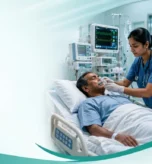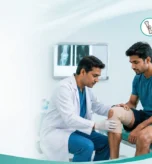

Bones, joints, muscles, ligaments and tendons play an important role in helping us move, work and stay active. However, injuries, ageing, repetitive activities and certain medical conditions can affect the musculoskeletal system and lead to pain, swelling, stiffness or difficulty in movement.
From a sudden fracture after an accident to a sports-related ligament injury or persistent knee and shoulder pain, timely orthopaedic evaluation can help prevent complications and support a safer recovery.
For residents of Wani and nearby areas, Saraswati Hospital, Wani provides Orthopaedics & Trauma Care for bone, joint, muscle and injury-related conditions, including accident and trauma cases. The hospital also has diagnostic facilities such as digital X-ray and 3D CT imaging to support clinical evaluation.
What Is Orthopaedic Care?
Orthopaedic care focuses on conditions affecting the body’s musculoskeletal system, including:
- Bones
- Joints
- Muscles
- Ligaments
- Tendons
- Cartilage
- Spine and related structures
Orthopaedic treatment may involve medicines, rest, activity modification, physiotherapy, immobilisation, supportive devices or surgery, depending on the type and severity of the condition.
Early assessment is particularly important after significant injuries because some fractures, dislocations and ligament injuries may not always be obvious immediately.
Common Bone and Joint Injuries
1. Fractures
A fracture is a break or crack in a bone. It can occur because of road accidents, falls, sports injuries or direct impact. In older adults, weakened bones may also increase the risk of fractures following relatively minor falls.
Common symptoms include:
- Sudden pain
- Swelling or bruising
- Difficulty moving the affected area
- Deformity
- Inability to put weight on an injured limb
A suspected fracture should be evaluated by a medical professional. X-rays are commonly used to assess bone injuries, while additional imaging may be required in selected cases.
2. Dislocations
A dislocation occurs when a joint moves out of its normal position. The shoulder, elbow, fingers, hip and knee can be affected.
A dislocated joint may cause severe pain, swelling and restricted movement. Attempting to force the joint back into position without medical assistance can cause further injury.
Prompt medical evaluation is recommended, particularly after an accident or significant impact.
3. Sprains and Ligament Injuries
Ligaments connect bones and help stabilise joints. A sprain occurs when a ligament is stretched or torn. These injuries commonly affect the ankle, knee and wrist and can occur during sports, falls or sudden twisting movements.
Depending on the severity, treatment may include rest, support or immobilisation, medication, physiotherapy and, in selected cases, surgery.
4. Muscle and Tendon Injuries
Muscles and tendons can become injured because of sudden movements, excessive force, repetitive activity or sports. Strains may cause pain, tenderness, swelling and difficulty using the affected muscle.
Proper assessment can help determine whether the injury can be managed conservatively or requires further intervention.
Common Sports Injuries
Sports injuries can affect both professional athletes and people who participate recreationally. Running, cricket, football, badminton, gym workouts and other physical activities can place stress on muscles and joints.
Some commonly seen sports injuries include:
ACL and Other Knee Ligament Injuries
The anterior cruciate ligament (ACL) is an important stabilising ligament in the knee. Sudden changes in direction, twisting movements or sports-related impacts can cause ligament injuries.
Symptoms may include a sudden knee injury, swelling, pain, instability or difficulty continuing physical activity.
Meniscus Injuries
The meniscus is cartilage within the knee that helps absorb shock. Twisting or impact can cause a meniscus tear, potentially resulting in pain, swelling, catching or difficulty moving the knee.
Depending on the injury, treatment can range from non-surgical management and rehabilitation to arthroscopic procedures in selected cases.
Shoulder Injuries
Shoulder injuries can occur because of falls, contact sports, overhead activities or repetitive movements. Rotator cuff problems and shoulder instability are examples of conditions that may affect athletes and active individuals.
Persistent shoulder pain, weakness or restricted movement should be evaluated rather than ignored.
Tennis Elbow and Golfer’s Elbow
These are overuse conditions affecting the tendons around the elbow. Despite their names, they can occur in people who do not play tennis or golf.
Repeated gripping, lifting or wrist movements can contribute to these problems. Treatment may include activity modification, exercises, physiotherapy and other treatments depending on the individual’s condition.
When Should You See an Orthopaedic Specialist?
Not every episode of muscle or joint pain requires specialist treatment. However, medical evaluation is advisable when symptoms are severe, persistent or associated with an injury.
Consider seeking orthopaedic care if you experience:
- Severe or persistent bone or joint pain
- Significant swelling after an injury
- Difficulty walking or bearing weight
- Restricted joint movement
- Repeated joint instability
- Suspected fracture or dislocation
- Persistent sports-related pain
- A visible deformity after an accident
- Pain that does not improve with appropriate rest
Following a major accident, severe injury, suspected fracture or dislocation should be assessed promptly.
How Are Orthopaedic Injuries Diagnosed?
Diagnosis begins with a clinical examination. The orthopaedic specialist may assess pain, swelling, movement, strength, joint stability and the circumstances surrounding the injury.
Depending on the suspected condition, imaging may be recommended.
At Saraswati Hospital, Wani, diagnostic support includes digital X-ray and high-speed dual spiral CT with 3D reformation, which can assist doctors in evaluating injuries and planning appropriate treatment.
Additional tests, such as MRI, may be considered when detailed evaluation of ligaments, cartilage, muscles or other soft tissues is required.
Orthopaedic Treatment: Does Every Injury Require Surgery?
No. Many orthopaedic problems can be treated without surgery.
Depending on the diagnosis, treatment may include:
- Rest and activity modification
- Medicines as prescribed by a doctor
- Bracing or immobilisation
- Physiotherapy and rehabilitation
- Exercises to restore strength and mobility
- Follow-up monitoring
- Surgical treatment when clinically indicated
For sports injuries, the treatment plan depends on factors such as the type and severity of the injury, joint stability, activity level and response to non-surgical treatment. Many sports injuries can initially be managed conservatively, while severe or persistent structural injuries may require surgery.
Tips to Reduce the Risk of Sports Injuries
Although injuries cannot always be prevented, some simple measures can reduce avoidable risks:
Warm Up Before Exercise
Begin physical activity with an appropriate warm-up to prepare the muscles and joints for movement.
Build Strength Gradually
Increase exercise intensity progressively instead of suddenly increasing weight, distance or training duration.
Use Proper Technique
Correct posture and technique are important during sports, gym exercises and lifting activities.
Wear Appropriate Equipment
Use suitable footwear and protective equipment according to the activity.
Do Not Ignore Pain
Continuing intense activity despite persistent pain may worsen an underlying injury. Take appropriate rest and seek professional advice when necessary.
Give Your Body Time to Recover
Rest and recovery are important components of a safe exercise routine.
Orthopaedic and Trauma Care at Saraswati Hospital, Wani
Saraswati Hospital provides Orthopaedics & Trauma Care in Wani for bone, joint, muscle and injury-related conditions, including accident and trauma cases. The hospital’s facilities include a well-equipped operation theatre, digital X-ray, 3D CT imaging and round-the-clock emergency support.
For patients and families in Wani and the wider Yavatmal district, having orthopaedic and emergency care available closer to home can make timely evaluation and treatment more accessible.
Take the First Step Towards Better Mobility
Bone and joint injuries should not be ignored, particularly when pain, swelling, instability or restricted movement continues after an injury.
Whether you are recovering from a fracture, dealing with joint pain or experiencing a sports injury, an appropriate medical evaluation can help identify the problem and determine the right treatment approach.
For Orthopaedic & Trauma Care in Wani, consult Saraswati Hospital for professional evaluation and treatment.
Saraswati Hospital, Wani
Near Sai Mandir, Yavatmal Road, Wani – 445304
Emergency / Appointment: +91 96739 92200